HomeServicesBrush Hogging

Brush Hogging in Covington, GA

When grass, weeds, and brush grow wild, they do not take long to get out of hand. Brush hogging keeps your land usable and looking good. Liba handles fields, pastures, and lots that are too rough or overgrown for a regular mower.
Call (470) 226-7215
GDOT Certified Minority-Owned Woman-Owned Licensed & Insured Family-Owned Since 2013
Reclaim Your Land

Rough-Cut Mowing for Land a Regular Mower Cannot Touch

We provide brush hogging for homeowners and landowners across Newton County, from one-time cleanups to seasonal maintenance. Our equipment handles fields, pastures, and lots that are too rough or overgrown for a traditional mower, so you can reclaim ground that has been neglected for a long time.

Brush hogging is not just mowing. It keeps vegetation under control before it turns into a bigger problem. Regular cutting stops small saplings and thick brush from taking over, and it makes the whole property look better and easier to use.

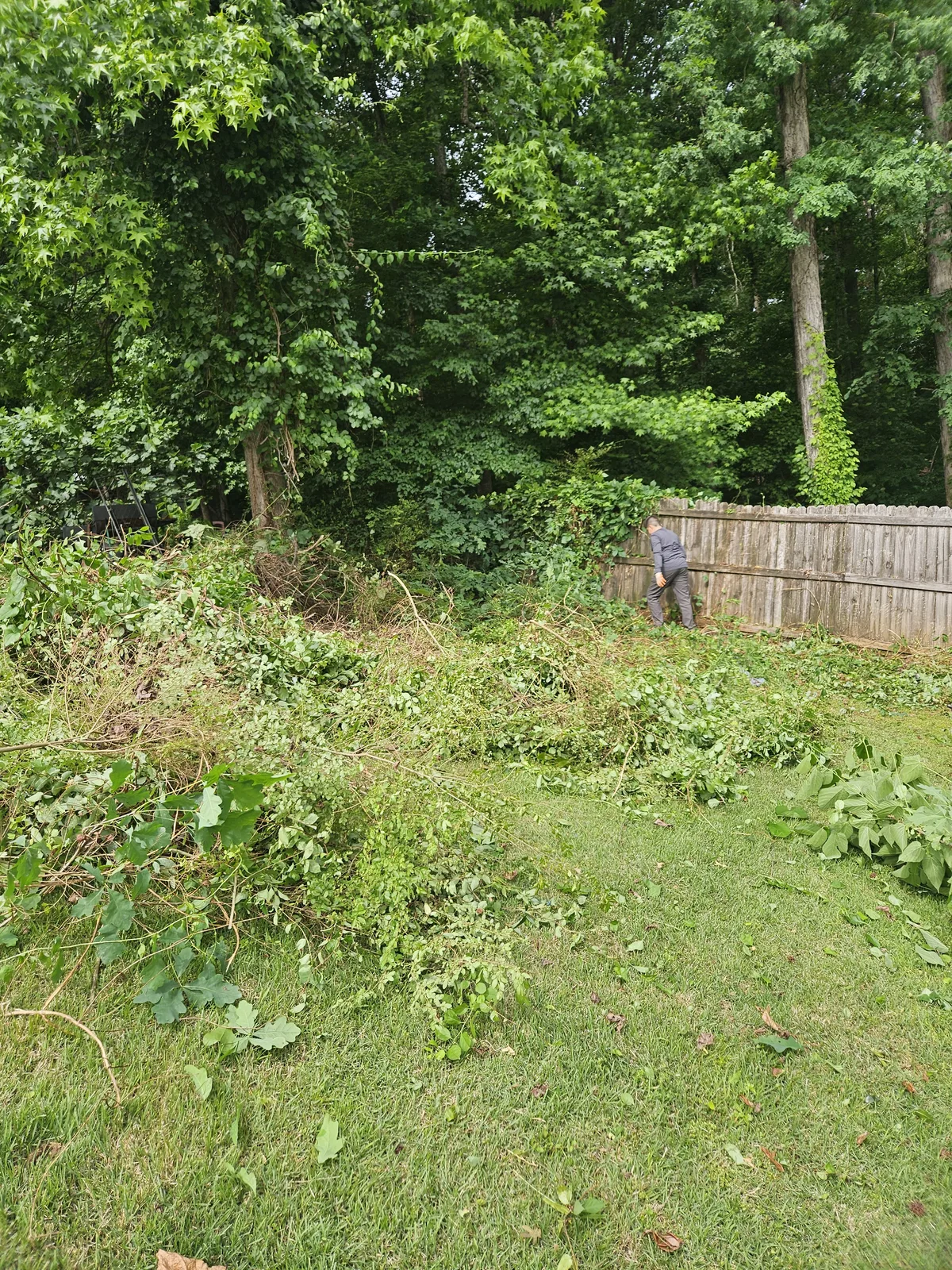
We mow overgrown fields, empty lots, and pastures, and we work carefully around ponds, fence lines, and buildings where a wide cutter needs a steady hand. Whether you have a single lot that got away from you or several acres to keep in check, we cut it down to a clean, even height you can walk and use again.

Newton County, GA

Georgia's warm, humid climate means grass, weeds, and brush grow back fast through the growing season. A field cut in spring can be waist-high again by mid-summer. That is why most fields here need more than one cut a year, and why a lot of landowners set up recurring visits rather than let it get out of hand. Regular brush hogging also keeps invasive brush and young saplings from getting established in the first place.

Brush Hogging Projects

  • Overgrown fields
  • Empty lots
  • Pastures
  • Around ponds
  • Around buildings
  • Land maintenance
  • Seasonal mowing
The Process

How Brush Hogging Works

01

Look at the Property and Growth

We walk the property to see how much ground there is, how overgrown it is, and what we are working around: slopes, ditches, ponds, fence lines, and buildings. That is what a real estimate is based on.

02

Written Estimate

You get a written estimate with the scope and price before any work starts. For recurring maintenance we lay out what each visit covers and how often we will come out.

03

Rough-Cut Mow the Area

We cut the field, lot, or pasture down to an even height with equipment built for rough ground. Grass, weeds, and light brush come down in a single pass on most jobs.

04

Set Up Seasonal Visits

If you want the land kept up, we set a seasonal schedule so it never gets overgrown again. One-time customers can always call back when they need another cut.

Seasonal Timing

Best Time of Year for Brush Hogging in Georgia

Brush hogging is a growing-season job. Most fields in Georgia need a few cuts between spring and fall to stay usable. Here is how the year breaks down.

Growth starts

Spring

March to May

Grass, weeds, and brush start growing fast after winter. An early cut keeps a field from getting away from you before summer.

Peak growth

Summer

June to August

Everything is growing at once in the heat and humidity. Larger fields and pastures often need more than one cut through the summer.

Heaviest growth

Fall

September to November

Late summer into fall is when growth is thickest. A cut here knocks down the heaviest brush before it goes dormant.

Dormant reset

Winter

December to February

Growth stops for the season. A winter cut is a clean reset that clears standing dead growth and sets the field up for spring.

Project Photos

Brush Hogging Work in Newton County

Transparent Pricing

What Affects the Cost of Brush Hogging

Brush hogging is usually priced by the size of the area and how overgrown it is. A couple of acres of light grass is a quick job. The same acreage in thick brush, tall weeds, and young saplings takes more passes and more time. The four things below explain most of the price range you will see when getting quotes across Newton County and the surrounding area.

Every brush hogging estimate is based on seeing the property. A quick look at the ground is the only way to give you a number that means anything.

Call for a Free Estimate
Size of the Area

The more ground there is to cover, the longer it takes. Acreage is the starting point for most brush hogging quotes.

How Overgrown It Is

Light grass and weeds mow fast. Thick brush, tall weeds, and small saplings take more passes and slow the work down.

Terrain and Obstacles

Slopes, ditches, rocks, stumps, ponds, fence lines, and buildings all mean slower, more careful mowing than an open, flat field.

One-Time vs Seasonal

A single cleanup of badly overgrown land is priced per visit. Recurring seasonal mowing usually costs less per visit because the field never gets that far gone again.

Why Liba

Why Landowners Trust Liba to Brush Hog Their Land

Handles Rough, Overgrown Ground

Equipment that cuts through what a regular mower cannot touch.

One-Time or Seasonal

A single cleanup, or recurring mowing kept on a schedule.

Fields, Pastures, and Lots

From one overgrown lot to several acres of pasture.

Clean, Usable Result

Land you can walk, use, and see across again.

Questions

Brush Hogging FAQ

How often should I brush hog my field?

For most fields in Georgia, two to four cuts across the growing season keeps things under control. A field you only want to keep passable might need one or two cuts a year. A pasture or lot you want to keep looking maintained does better with a cut every four to six weeks in spring and summer, when growth is fastest. We can recommend a schedule based on how you use the land and how quickly it grows back.

What is the difference between brush hogging and forestry mulching?

Brush hogging is rough-cut mowing. It knocks down grass, weeds, and light brush and leaves the cut material on the ground. It is the right tool for fields, pastures, and lots that just need to be mowed down. Forestry mulching grinds heavier growth, saplings, and small trees into mulch and is meant for clearing thicker, woodier overgrowth. If your land is mostly grass and weeds, brush hogging is the fit. Once it has grown into saplings and small trees, forestry mulching or land clearing is the better option, and we do both.

Can you mow around ponds, fence lines, and buildings?

Yes. We mow right up to ponds, fence lines, tree lines, and buildings, and we slow down and work carefully in those spots so the cutter does not catch anything it should not. Let us know about anything hidden in the tall grass, like posts, pipe, wire, or old debris, so we can work around it and keep the equipment safe.

Do you offer one-time cleanups and seasonal maintenance?

Both. A lot of customers start with a one-time cleanup of a field or lot that got out of hand, then keep it up with recurring seasonal mowing so it never gets that overgrown again. You can book a single cut whenever you need one, or set a schedule and we will come out on our own without you having to call each time.

How much does brush hogging cost?

It depends on the size of the area, how overgrown it is, the terrain, and whether it is a one-time cut or seasonal maintenance. Light grass on open, flat ground is quick. Thick brush on rough terrain takes longer. We give free written estimates after seeing the property. Call (470) 226-7215 or request an estimate through this page and we will come out and give you a number you can plan around.

Free Estimate

Take Back Your Overgrown Land

Free, no-obligation estimate on every job. One-time cleanups and seasonal mowing for fields, pastures, lots, and pond edges across Newton County.

Call (470) 226-7215
Call Now Get a Free Quote