HomeServicesPaver Patios and Fire Pits

Paver Patios and Fire Pits in Covington, GA

A concrete slab poured without the right base cracks and sinks in Georgia's clay. Pavers flex with ground movement, drain between joints, and individual pieces can be replaced if ever damaged. Liba builds paver patios, walkways, and fire pits that last.

Call (470) 226-7215
GDOT Certified Minority-Owned Woman-Owned Licensed & Insured Family-Owned Since 2013
Built to Last

Why Poured Concrete Patios Fail in Georgia

A concrete slab that cracks, sinks on one side, or develops gaps and heaves is not a bad luck problem. It is a base problem. Georgia's clay soil expands when wet and contracts when dry. A thick slab of poured concrete that cannot flex with that movement will crack. The crack starts small, water gets in, the cycle continues, and within a few years the patio looks like it belongs in a neglected parking lot.

Pavers work differently. Each piece is independent, set on a compacted gravel base with bedding sand between the base and the paver surface. When the ground moves, individual pavers shift slightly instead of cracking. The base drains water down through the joints rather than holding it under a sealed slab. If a paver shifts, settles, or gets damaged, it can be pulled and reset without tearing up the whole patio. The same repair with poured concrete is tearing out and recasting a section.

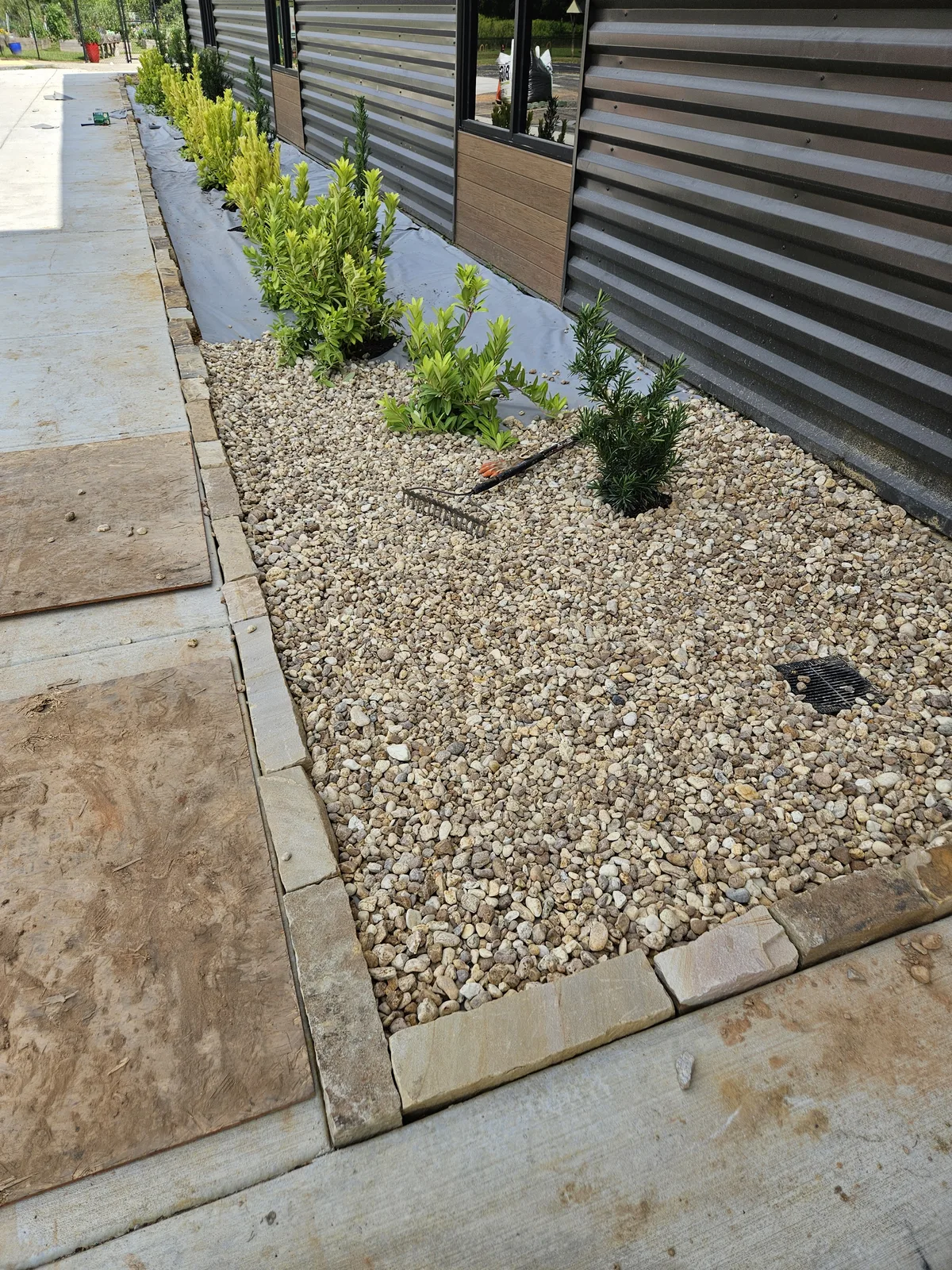
The key is the base. A paver job done right starts with excavating to the right depth, compacting gravel base in lifts, setting edge restraints to keep the field from spreading outward, and laying pavers with the right joint spacing. Polymeric sand swept into the joints locks everything in place and resists weeds. Cut corners on any of those steps and you will be resetting pavers in two seasons.

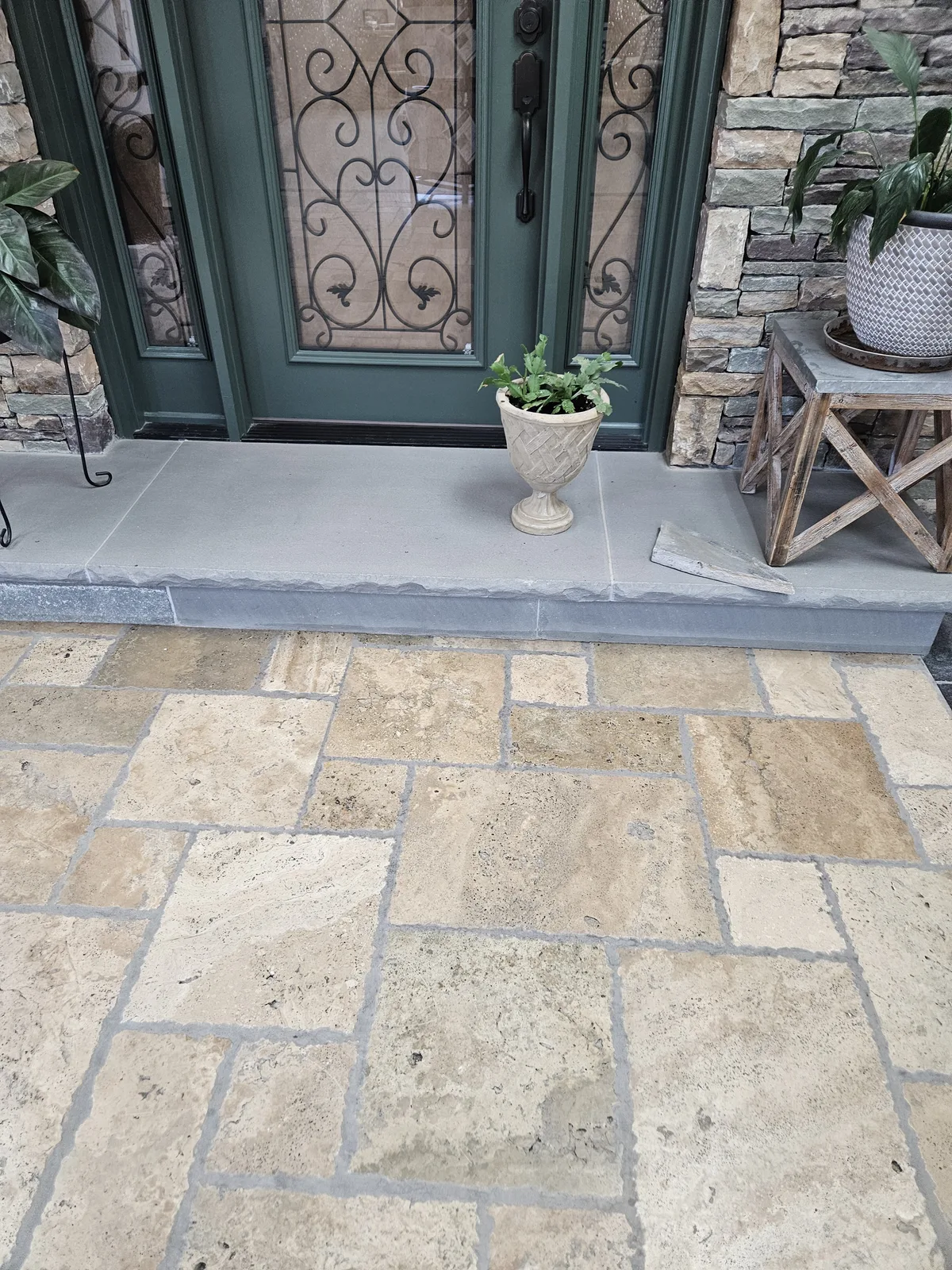
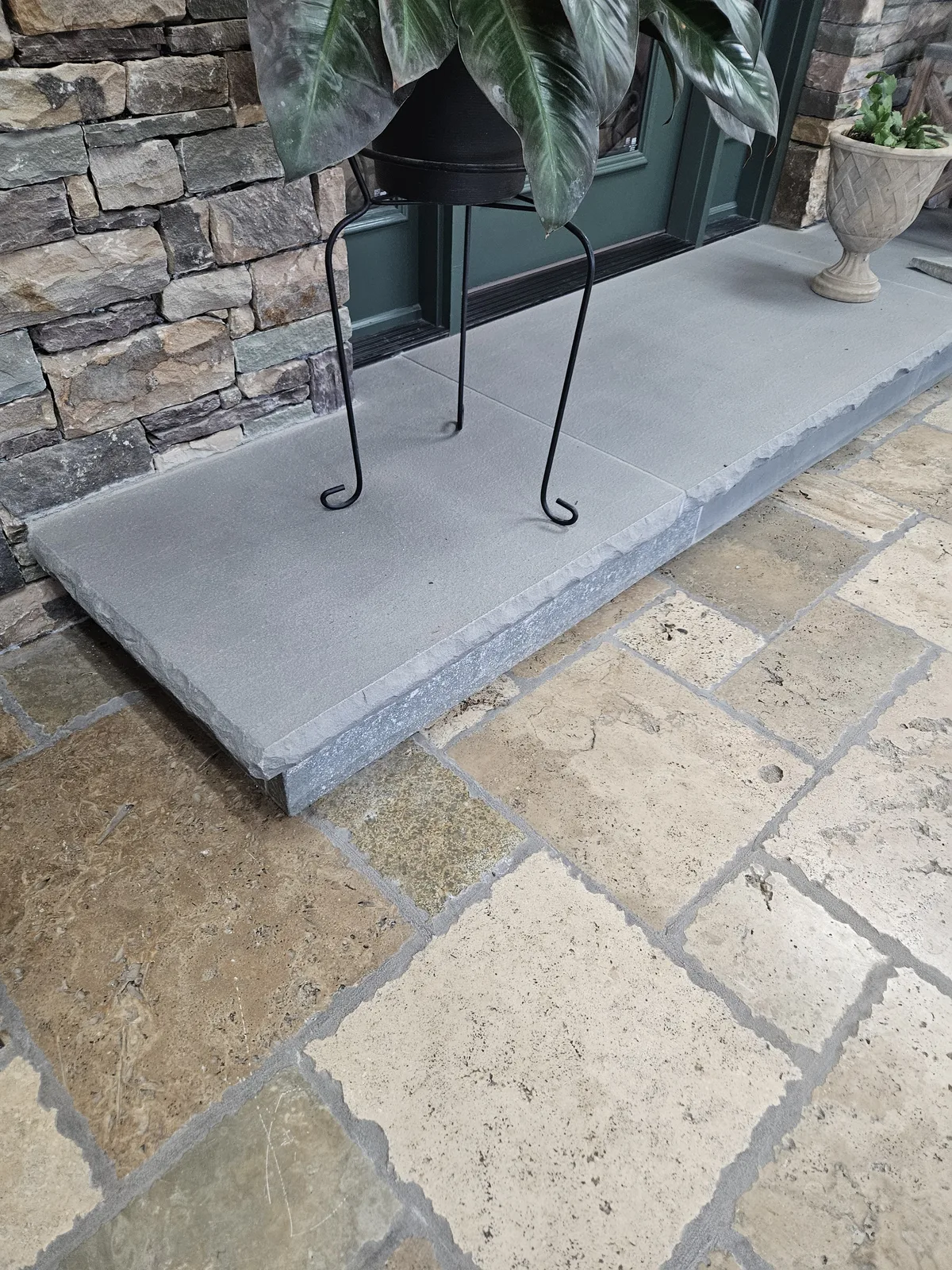
We build paver patios, walkways, pool surrounds, and driveways. Fire pits can be added to any patio project, either wood-burning with a masonry ring or gas with a burner kit. We work in concrete pavers, brick, and natural stone. Tell us the style and budget and we will show you what fits.

Newton County, GA

Georgia sees mild freeze-thaw cycles compared to states further north, but pavers installed on an undersized base still shift over time as the clay underneath expands and contracts with moisture changes. We build base depths to account for Georgia's wet winters and dry summers, not just the minimum. Polymeric sand is the right joint filler for Newton County because it locks out fire ants, which tunnel through regular sand joints during warm months and destabilize the surface from below.

What Every Paver Patio Project Includes

  • Site excavation
  • Compacted gravel base
  • Edge restraint installation
  • Paver or stone laying
  • Joint filling with polymeric sand
  • Fire pit construction (gas or wood-burning)
  • Walkway design
  • ADA-compliant path options
The Process

How a Paver Patio Project Works

01

Design Consult + Material Selection

We walk the space with you, discuss size, shape, material options, and whether a fire pit or other feature is part of the scope. You leave the consult with a clear picture of what is possible.

02

Written Estimate + Timeline

Every patio project gets a written scope covering excavation depth, base material, paver selection, and any features. No per-square-foot estimates over the phone.

03

Excavation + Base Compaction

We excavate to the correct depth, lay and compact a proper aggregate base, and set edge restraints before a single paver goes down. The base is what makes pavers last or fail.

04

Paver Lay + Finishing

Pavers are set, leveled, and compacted. Joints are filled with polymeric sand. Any fire pit or wall features are built in the same sequence. Final cleanup and inspection before we leave.

Seasonal Timing

Best Time of Year for a Paver Patio or Fire Pit in Georgia

Hardscape installs year-round. Timing is really about when you want to use the space and the most comfortable build weather.

Build before summer

Spring

March to May

Get the patio in before grilling and entertaining season. A popular window, so booking ahead helps.

Peak demand

Summer

June to August

Outdoor-living season. We build right through the heat, since the base work is not affected by temperature.

Ideal build weather

Fall

September to November

Mild, dry conditions are perfect for laying pavers, and a fire pit gets used the moment it is done.

Plan and build mild spells

Winter

December to February

A great time to design and build in dry windows, and fire-pit season is in full swing.

Project Photos

Paver and Hardscape Work in Newton County

Transparent Pricing

What Affects the Cost of a Paver Patio

A basic concrete paver patio is priced very differently from a travertine patio with a built-in fire pit and retaining wall border. The four variables below drive the range. Most Covington-area patio projects fall somewhere in between, a mid-grade paver on a properly prepared base with clean edge detailing.

Written estimates only. We come to your property, measure, discuss materials, and give you a number tied to your specific project.

Call for a Free Estimate
Square Footage

Patio size is the primary driver. A 200 sq ft patio and a 600 sq ft patio are three times the material and labor, the math is straightforward on the base cost.

Paver Material

Concrete pavers are the most affordable. Brick is mid-range. Natural stone (bluestone, travertine, flagstone) costs significantly more in both material and labor to set correctly.

Fire Pit or Built-In Features

A built-in gas or wood-burning fire pit adds significant scope. Gas lines require a licensed plumber sub. Wood-burning fire pits are self-contained and add less to the overall cost.

Base Preparation Required

Sites with poor drainage, significant slope, or soft soil require deeper excavation and more base material to prevent settling. Skipping base prep is the reason most patios crack or shift.

Why Liba

Why Homeowners Choose Liba for Hardscape

Built to Last 25+ Years

Laid on a proper compacted base, not sand over bare dirt.

Single Pavers Replaceable

Swap one if it is ever damaged, with no full tearout.

Concrete, Brick, or Stone

Materials to fit your style and your budget.

Base and Drainage Done Right

So it does not heave, sink, or puddle later.

Questions

Paver Patios and Fire Pits FAQ

How long do paver patios last compared to poured concrete?

A properly installed paver patio with a correct gravel base should last 25 years or more without major repairs. Individual pavers can shift slightly over time and be reset without replacing the whole surface. Poured concrete on Georgia clay has a much shorter effective lifespan before cracking becomes a serious problem, typically 10 to 15 years before repairs are needed. Pavers also drain between joints rather than holding water at the surface, which reduces ice damage risk and surface deterioration from standing water during Georgia's heavy summer rains.

Can you install a gas fire pit, or only wood-burning?

Both. Gas fire pits require a gas line to be run to the location, which needs coordination with a licensed plumber or gas line contractor. We build the fire pit structure and can work alongside your gas contractor to get everything placed correctly before the hardscape is finished. Wood-burning fire pits are entirely self-contained and simpler to build, though local fire codes in Newton County may have rules about setbacks from structures and whether open burning is permitted. We review those requirements with every customer before quoting a fire pit project.

What is the best paver material for Georgia weather?

Concrete pavers are the most practical choice for most Georgia applications. They are available in a wide range of styles and colors, hold up well in the heat and humidity, and resist freeze-thaw damage. Brick pavers have a traditional look that some customers prefer and are equally durable. Travertine and natural stone look better than concrete pavers in many applications but cost more and require more careful base work to stay level. We carry options in all three categories and will show you samples and pricing for each before you decide.

Do pavers shift or sink over time?

Pavers set on a properly compacted base with edge restraints should stay level for many years. Some settling in the first year is normal as the base consolidates. If a section settles noticeably, individual pavers can be pulled, the base leveled, and the pavers reset. This is a simple repair compared to patching poured concrete. Pavers shift most when the base was not compacted adequately, edge restraints were skipped, or the gravel base depth was insufficient for the load. All three of those corners get cut on budget installs. We do not cut them.

How much does a paver patio cost in Covington, GA?

Cost depends on square footage, paver material selected, the amount of excavation needed, and whether a fire pit or steps are included. Concrete pavers are priced lower than natural stone for the same area. A simple patio is priced differently than a patio with steps, a fire pit, and integrated walkways. We give free written estimates after a site walk. No guessing over the phone. Call (470) 226-7215 or submit an estimate request through this page.

What is the best time of year to install a paver patio in Georgia?

Fall and spring give the most comfortable build weather, but pavers can be installed year-round because the compacted base does not depend on temperature the way poured concrete does. Many homeowners build in late winter to be ready for spring.

Free Estimate

Build the Outdoor Space You Actually Want

Free, no-obligation estimate on every project. Residential and commercial hardscape across Newton County and Metro Atlanta.

Call (470) 226-7215
Call Now Get a Free Quote