Done Right
Why Most Landscape Installs Do Not Last
A yard that looks like nobody cares is usually the result of guesswork choices made years ago. Plants stuck in spots that get the wrong amount of sun. Mulch that washes down the slope every hard rain. Beds with no edging that grass creeps into every season. It looks bad, it costs money to maintain, and it never quite gets fixed because the original design was wrong from the start.
Cheap installs go the same way. A crew that drops plants, throws down mulch, and moves on is not thinking about whether that Knockout Rose will burn in a west-facing bed in Georgia's August heat, or whether the hardwood mulch will wash off a slope that should have had pine straw. By the following summer, half of it is dead and the other half is overgrown in the wrong direction.
At Liba, the first step on every landscaping job is a walk of the property. We note sun exposure on each bed, soil condition, how water drains across the yard, and what is already there that is worth keeping. Then we put together a plant selection that matches those conditions, not just what looks good at the nursery. Georgia clay is heavy and drains poorly. Not every plant handles it. We have been doing this in Newton County since 2013 and we know what survives here.
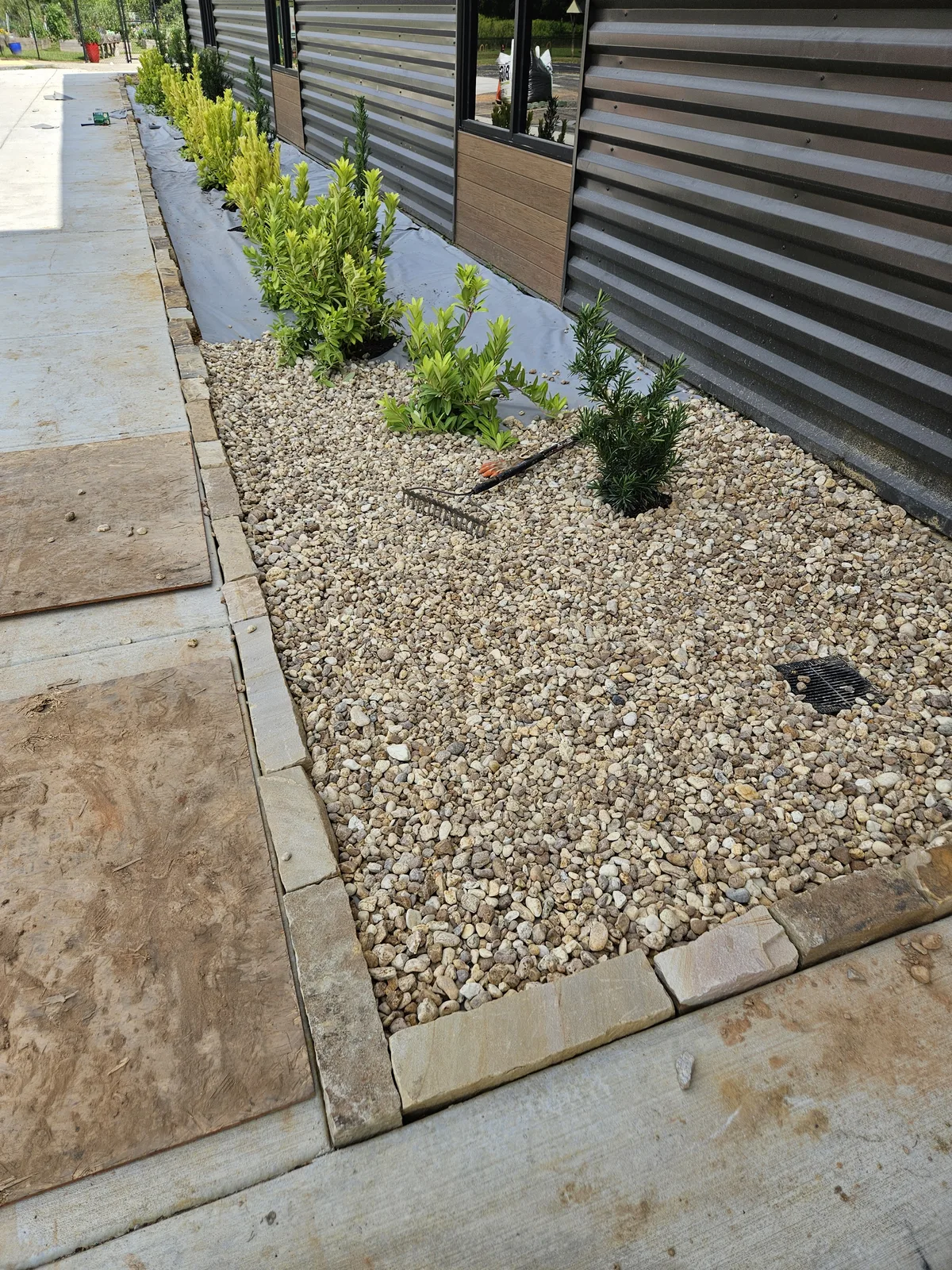
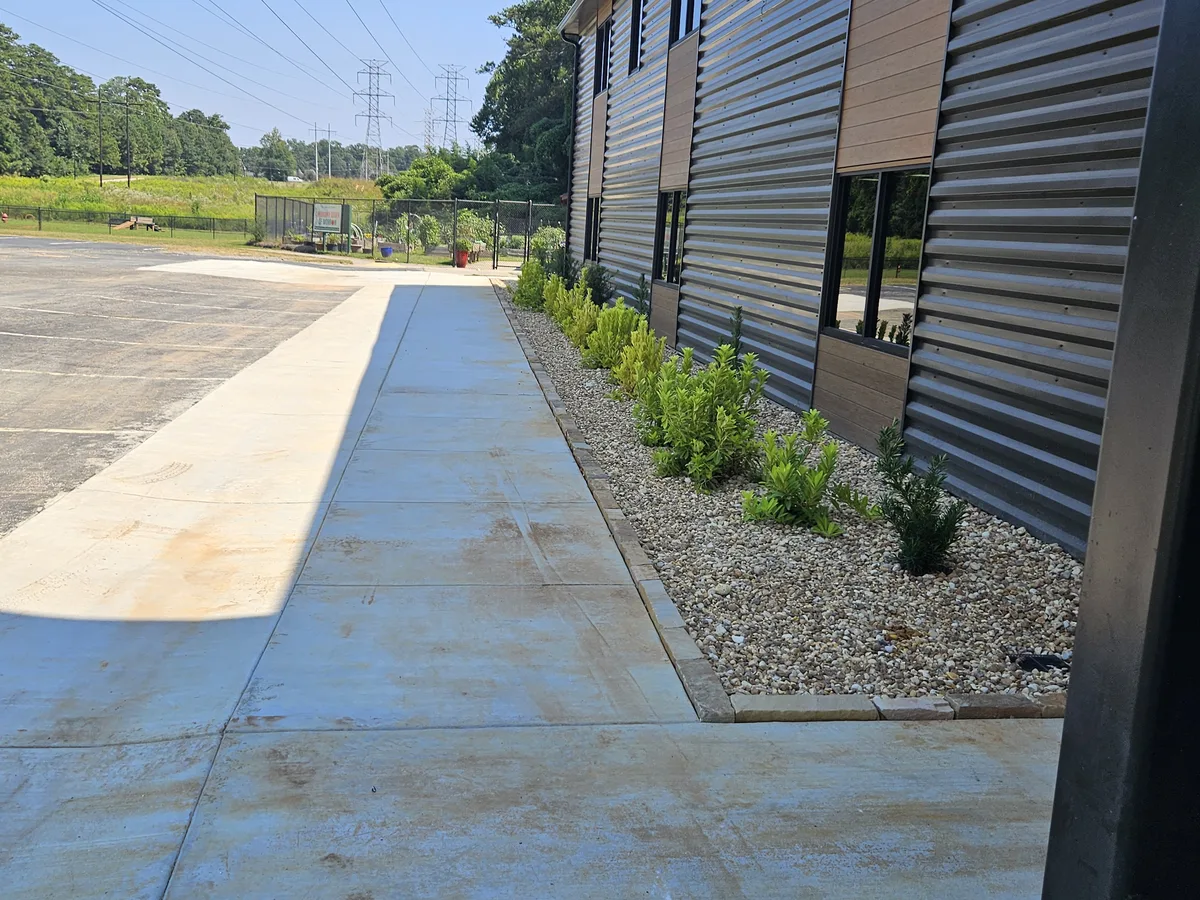
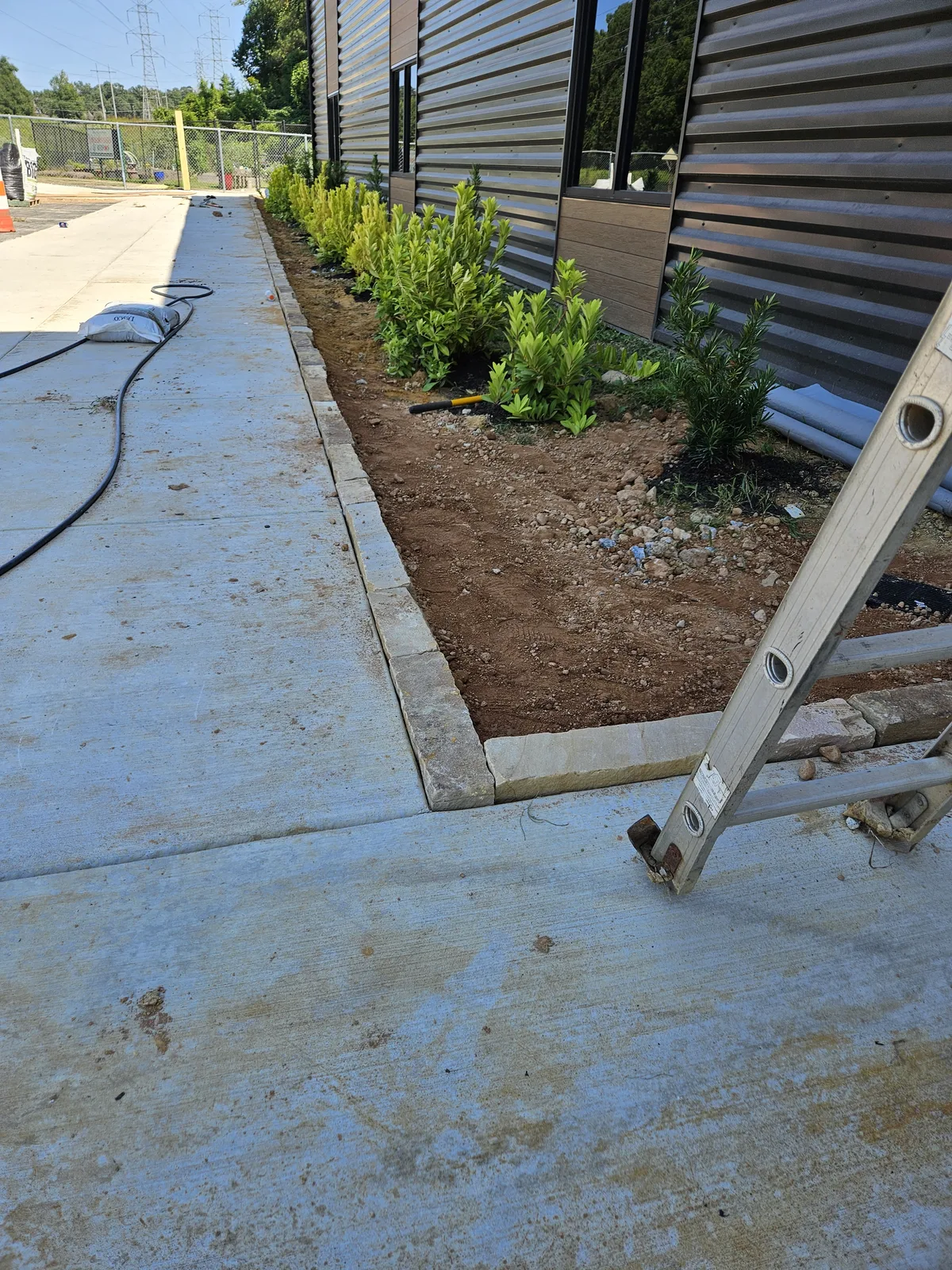
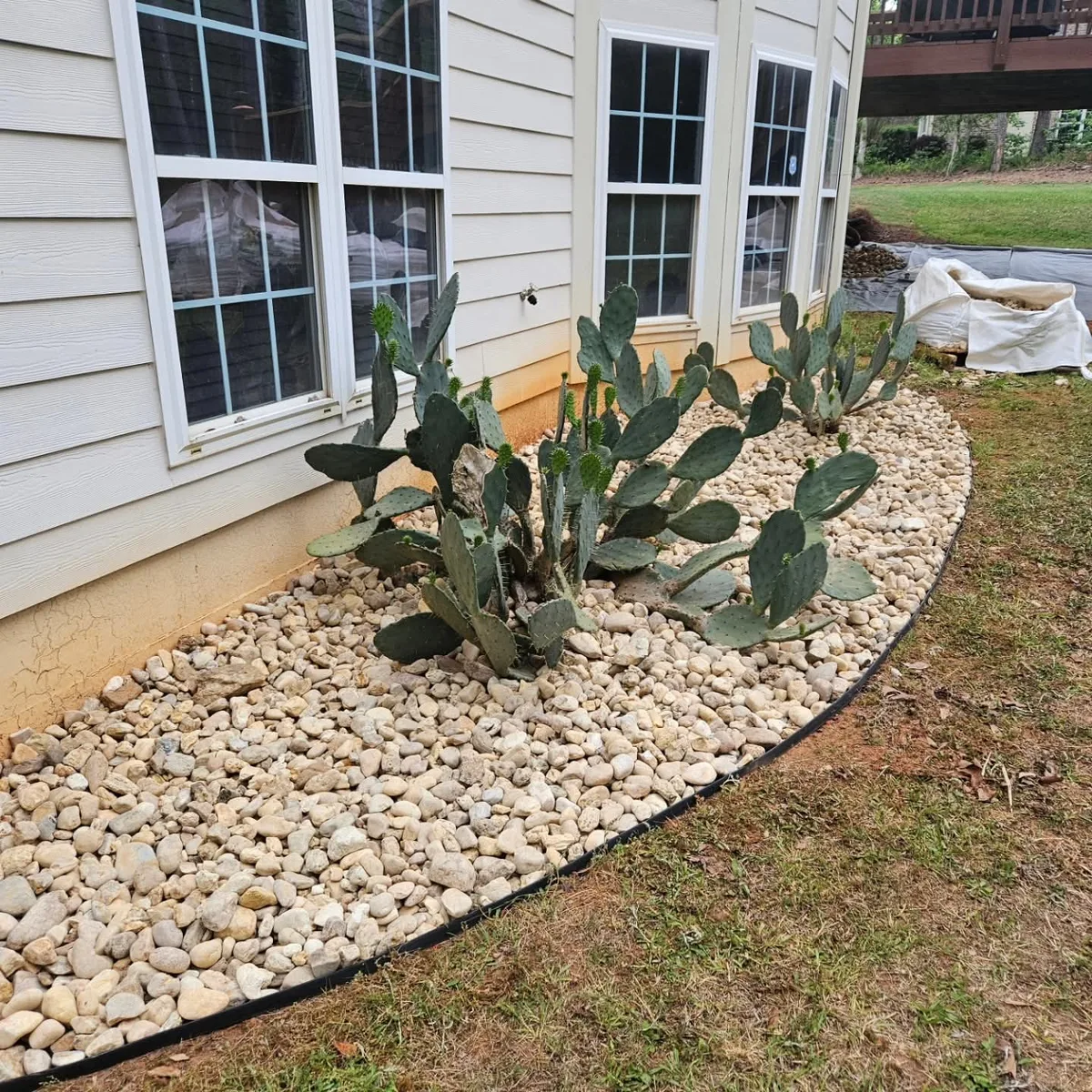
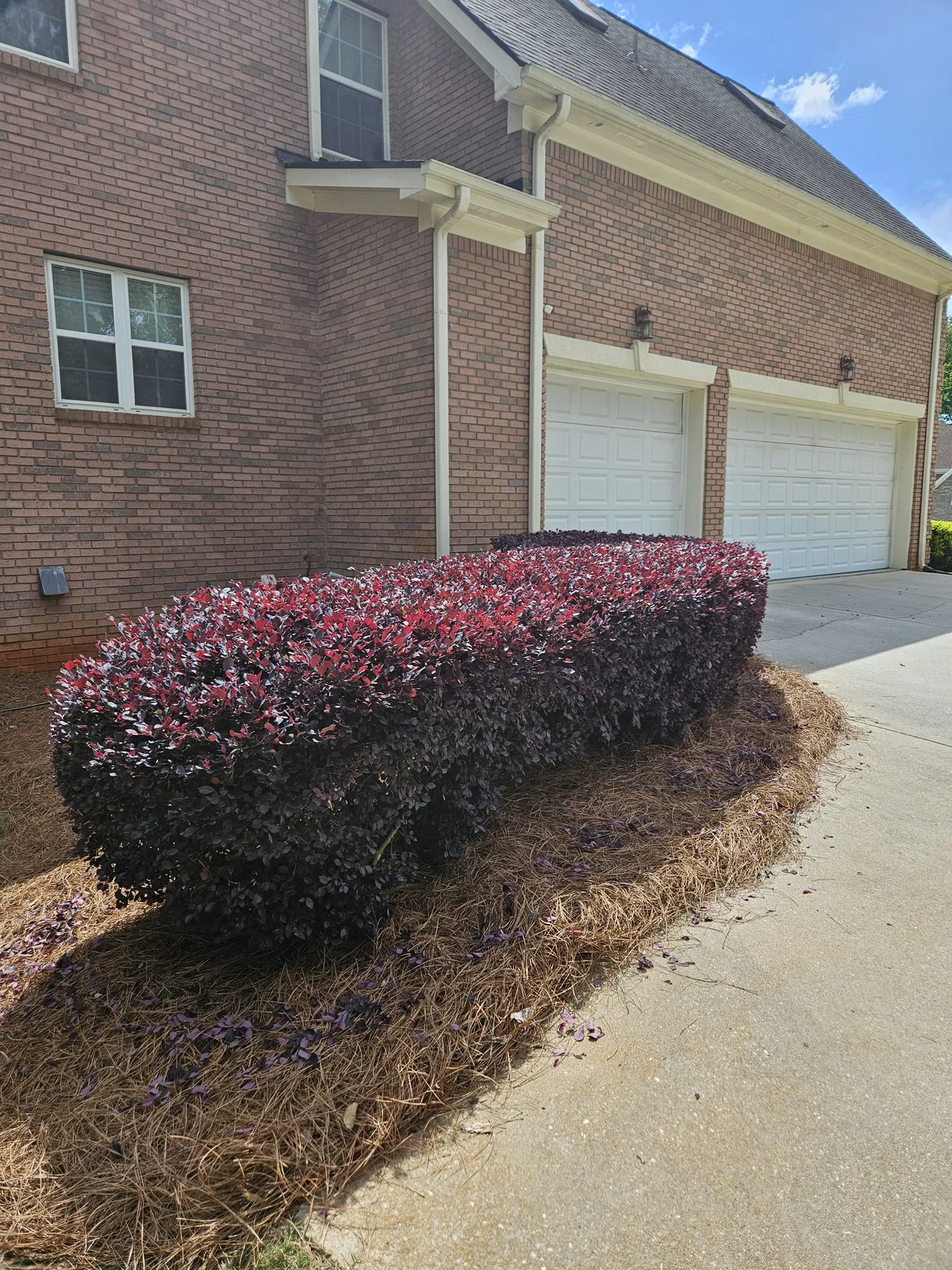
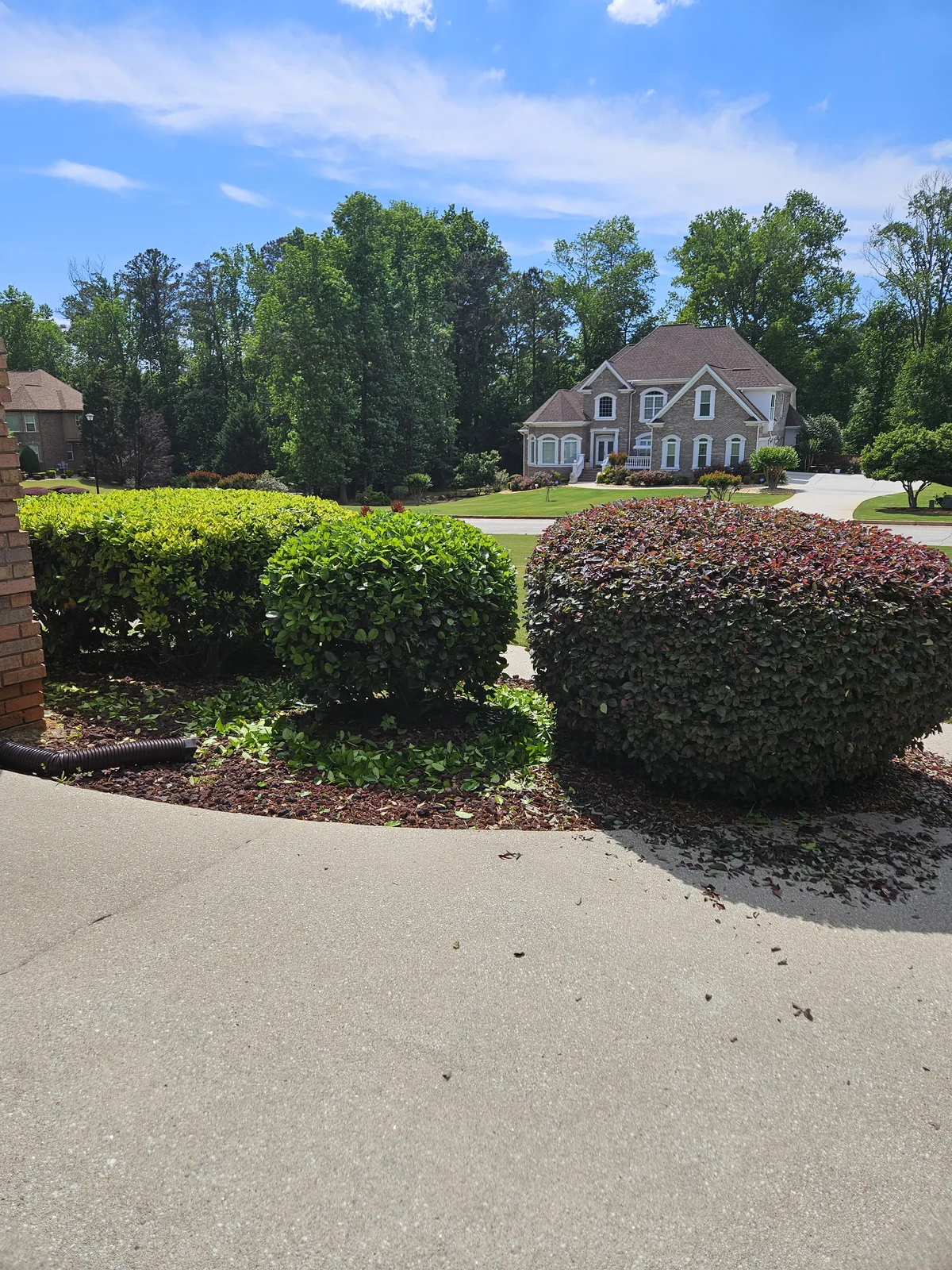
We install everything from single-home front bed refreshes to full commercial property landscaping. Bed edging gives the clean lines that define a well-kept property. Pine straw, hardwood mulch, and decorative rock all have the right applications depending on slope, style, and maintenance preference. Seasonal annuals add color that rotates through the year without committing to a permanent plant. We handle the whole picture.
Georgia clay is heavy, alkaline, and holds water at the surface instead of letting it drain. Plants that look beautiful at a nursery but are not rated for Zone 8a heat will struggle through a Newton County summer. Native and adaptive plants like Muhly grass, Oakleaf Hydrangea, Knock Out Rose, and Loropetalum handle the heat, humidity, and clay without constant intervention. We have been planting in this soil since 2013 and know what survives here long-term versus what looks good for one season.