Graded Right
Gravel Driveway Grading Done the Right Way
A gravel driveway takes constant wear. Rain runs across it, tires push the stone around, and over time you get potholes, ruts, and low spots that hold water. Left alone, a small rut turns into a washout that eats the gravel and makes the driveway rough to drive. The good news is that most driveways do not need to be torn out and rebuilt. They need to be graded correctly and set up so water has somewhere to go.
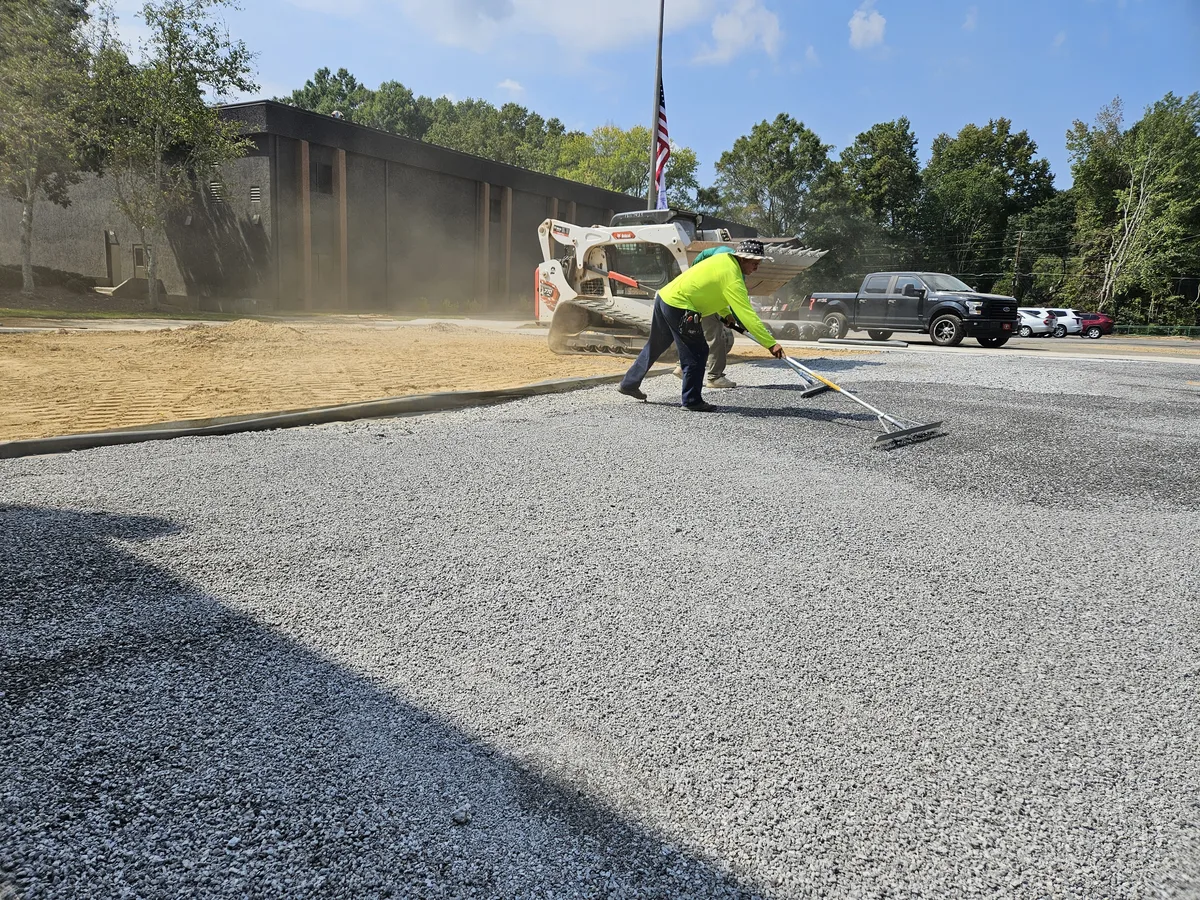
Whether it is a short residential driveway or a long country lane, we look at what is causing the problem and recommend the best solution. Sometimes all a driveway needs is a fresh grading. Other times it needs additional gravel, a ditch cleaned out, or a culvert replaced so water has somewhere to go. We tell you what the driveway actually needs, not the most expensive option on the list.
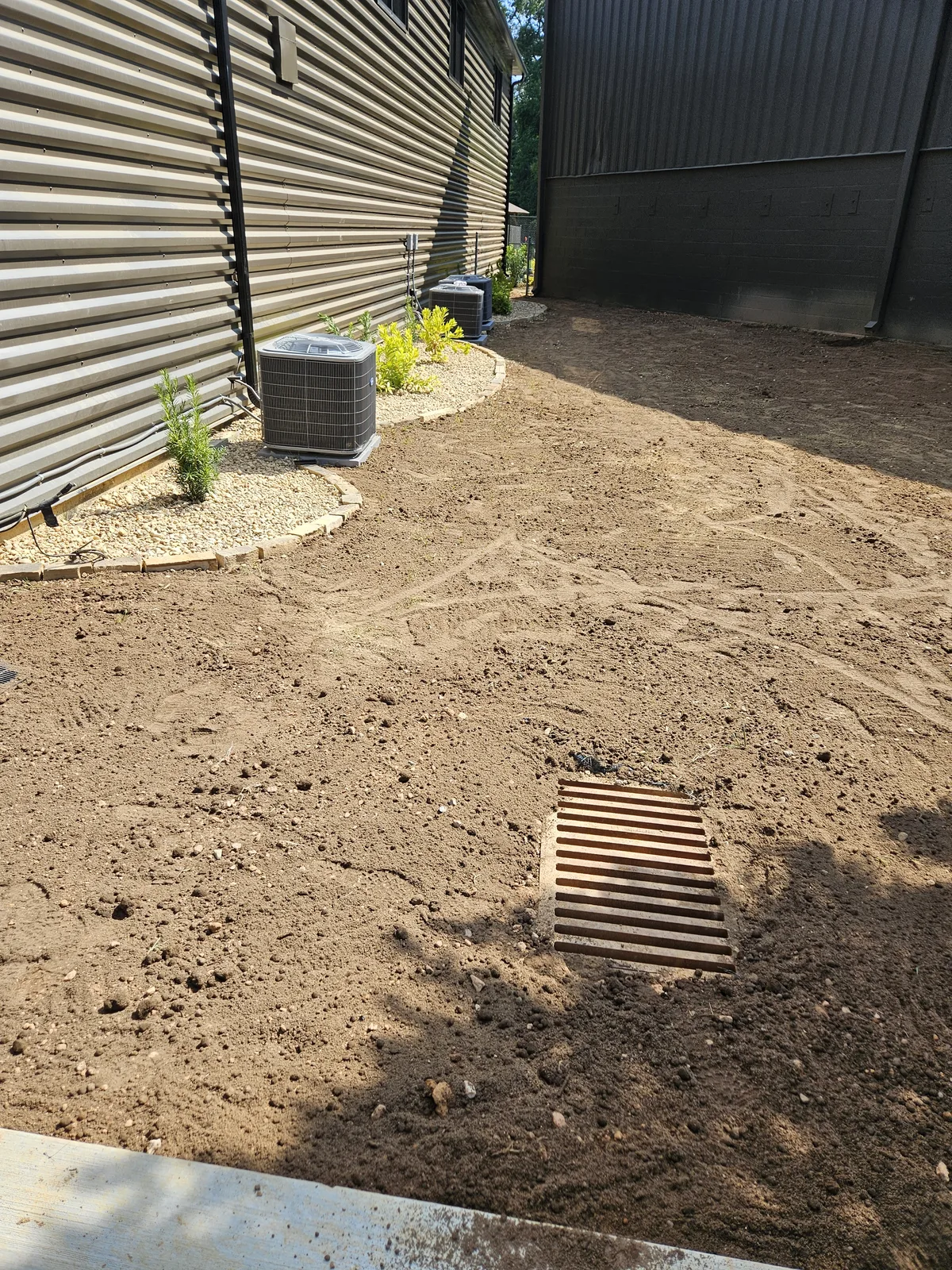
Grading a driveway is not just smoothing the ground. Anyone can drag a driveway flat, but if water is not handled correctly the same problems come right back. We pay close attention to how water moves across the property. Sometimes a small change in grade or better drainage makes a big difference in how long the work holds up.
We handle short residential driveways, long lanes, gravel widening, drainage and culvert work, and full new gravel driveways. Every job starts with a written estimate that covers the scope, how much gravel is included, and any ditch or culvert work involved.
Newton County gets heavy summer downpours and long stretches of rain in winter. On our red clay, water runs fast and finds the low spot in a driveway every time. A driveway that is only smoothed over will rut again after the next big storm. Handling the water is what makes the grading last, which is why we look at the ditches and culverts, not just the driving surface.