HomeServicesGrading and Drainage

Grading and Drainage in Covington, GA

Water pooling beside the house, muddy spots that never dry, slopes that wash out every time it rains. Grading and drainage problems get worse over time and more expensive to ignore. Liba diagnoses what is happening and fixes it right.

Call (470) 226-7215
GDOT Certified Minority-Owned Woman-Owned Licensed & Insured Family-Owned Since 2013
The Right Fix

Water Problems Only Get Worse

Standing water next to the house, eroding slopes, muddy areas that stay wet for days after a rain. These are not minor inconveniences. Standing water beside a foundation seeps into the soil and puts hydrostatic pressure against the footing. Over years, that causes cracking, settling, and expensive structural repairs. Georgia clay does not absorb water the way sandy or loamy soil does. It sheets off and runs to the lowest point, which is often right next to the house or down a slope that has no protection.

A cheap French drain install is not the answer if the grade of the property is sending water toward the house in the first place. And a French drain that was not built with the right aggregate and perforated pipe filled with sediment in two seasons will be useless. The water comes back and the problem looks fixed until it clearly is not.

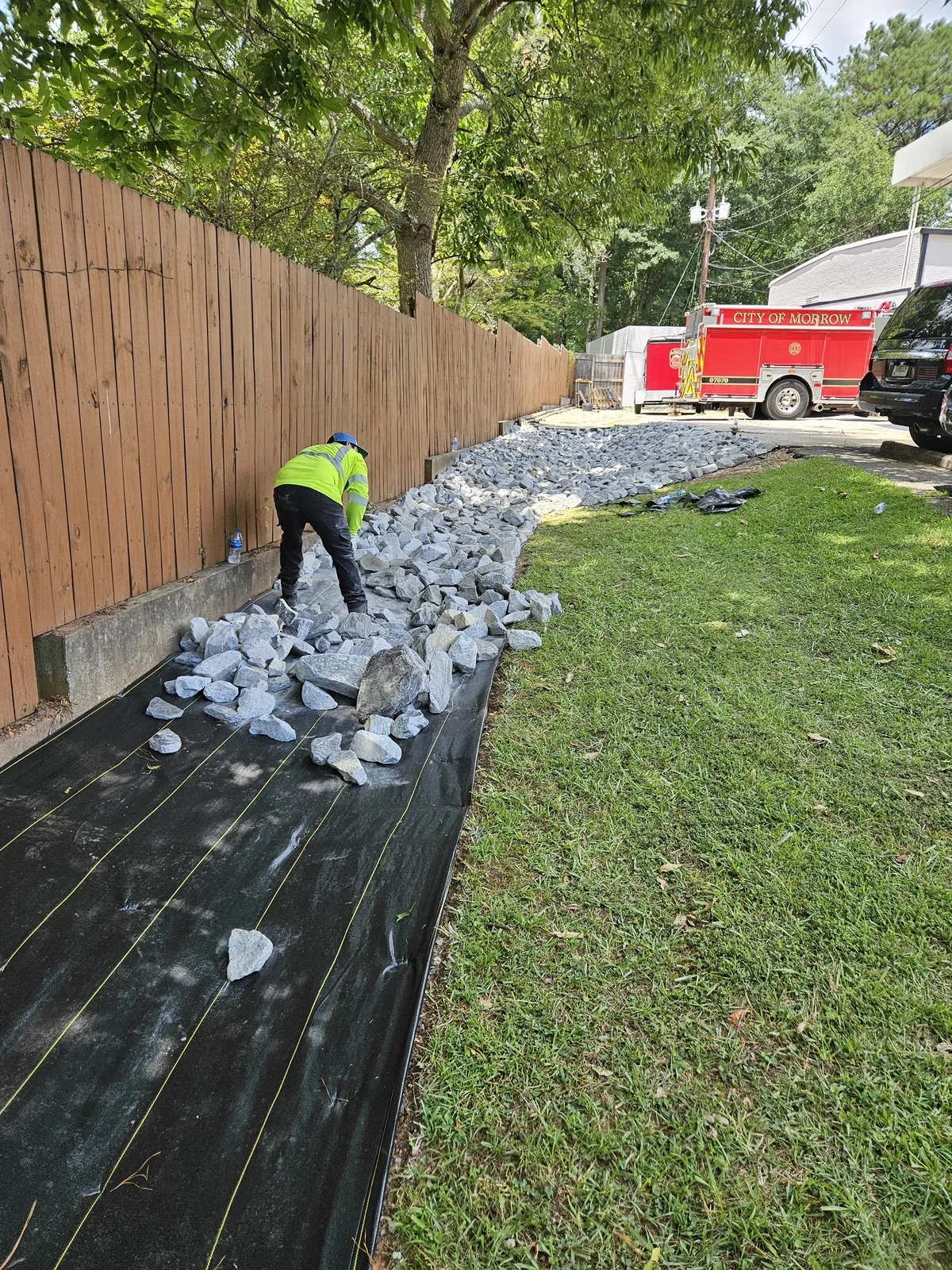
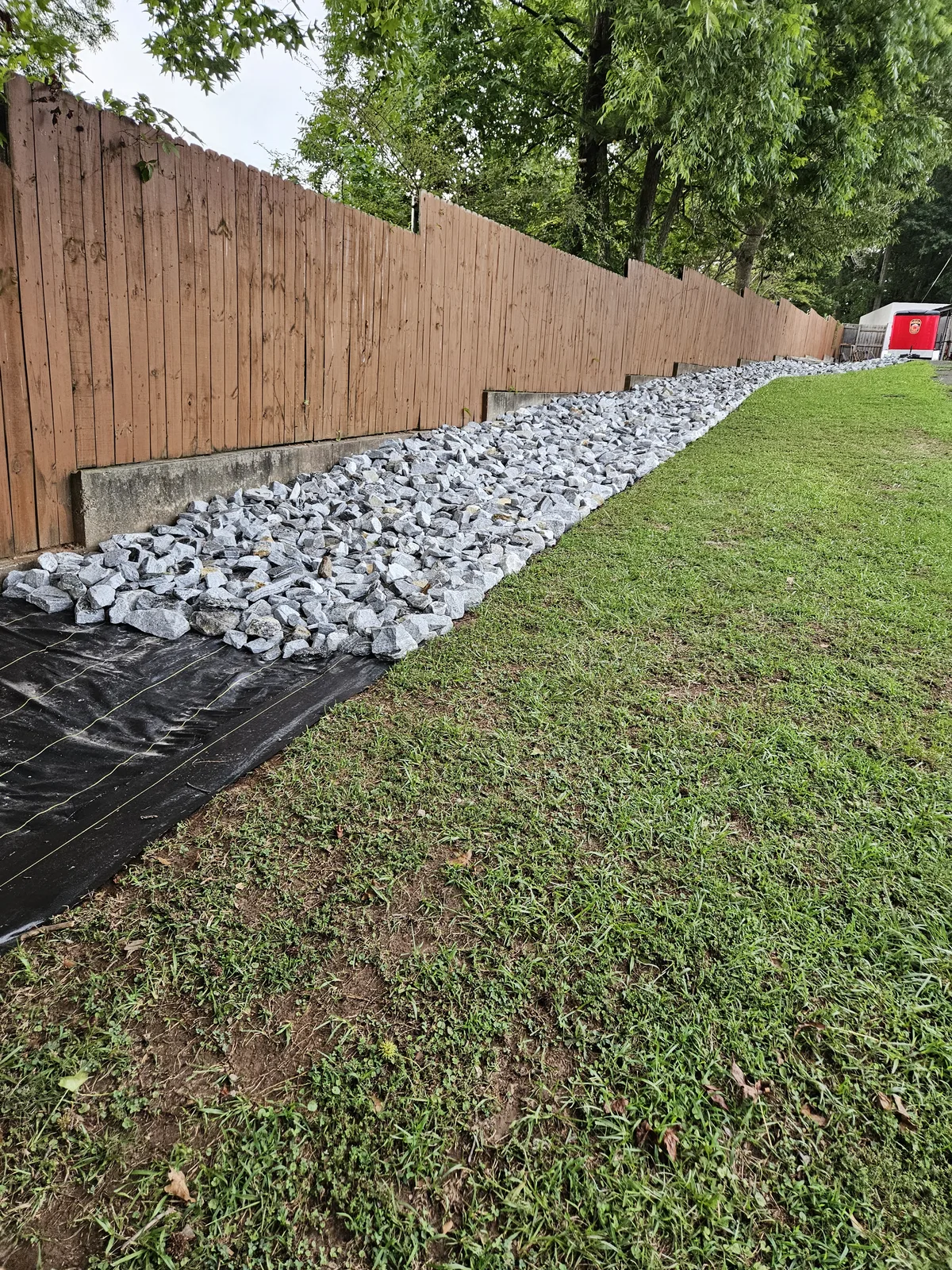
Liba starts every drainage job by walking the full property and understanding where water enters, where it travels, and where it ends up. That assessment determines the right solution. Sometimes it is regrading alone, redirecting runoff away from structures. Sometimes it is a French drain or channel drain to capture and move water underground. For slopes with active erosion, rip-rap stone placement stops the movement of soil while letting water pass through. Downspout extensions and swale construction are often part of the same job.

We have handled drainage work on residential lots, commercial properties, and right-of-way work across Newton County. Our GDOT certification means we also qualify for government drainage and stormwater projects. Every job starts with a written estimate that explains what we are doing and why.

Newton County, GA

Newton County gets over 50 inches of rain per year, and Georgia red clay does not absorb it. Water sits on the surface, flows toward the lowest point, and collects against foundations and in low spots that never fully dry out. Most of the grading and drainage problems we fix in Covington were created when the original grade was set wrong during construction or when additions disrupted natural drainage paths. A properly designed French drain or dry creek bed in Georgia clay needs specific gravel sizing and slope to actually move water and not just collect it underground.

What Every Grading and Drainage Project Includes

  • Full site drainage assessment
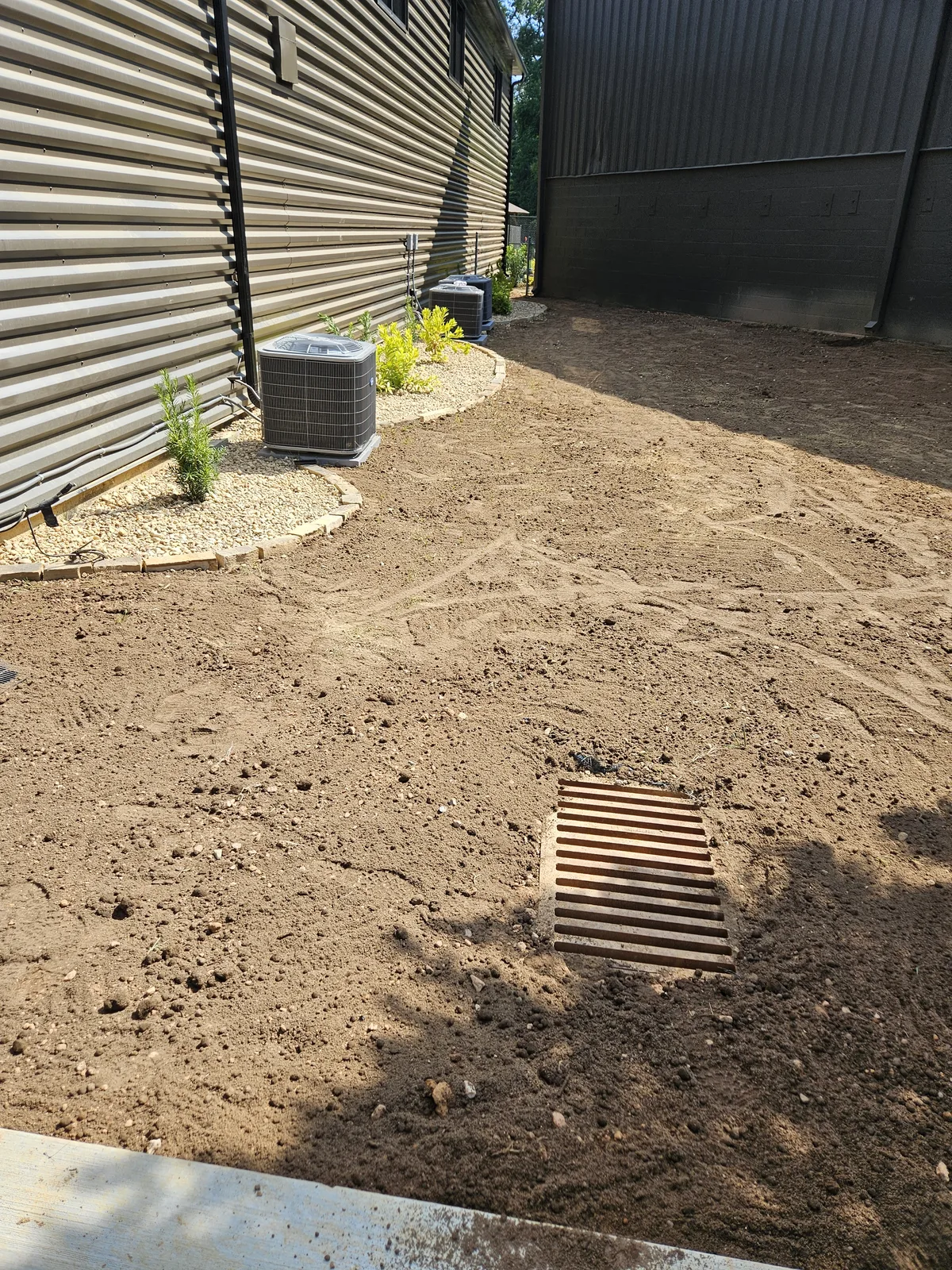
  • Property regrading to redirect water flow
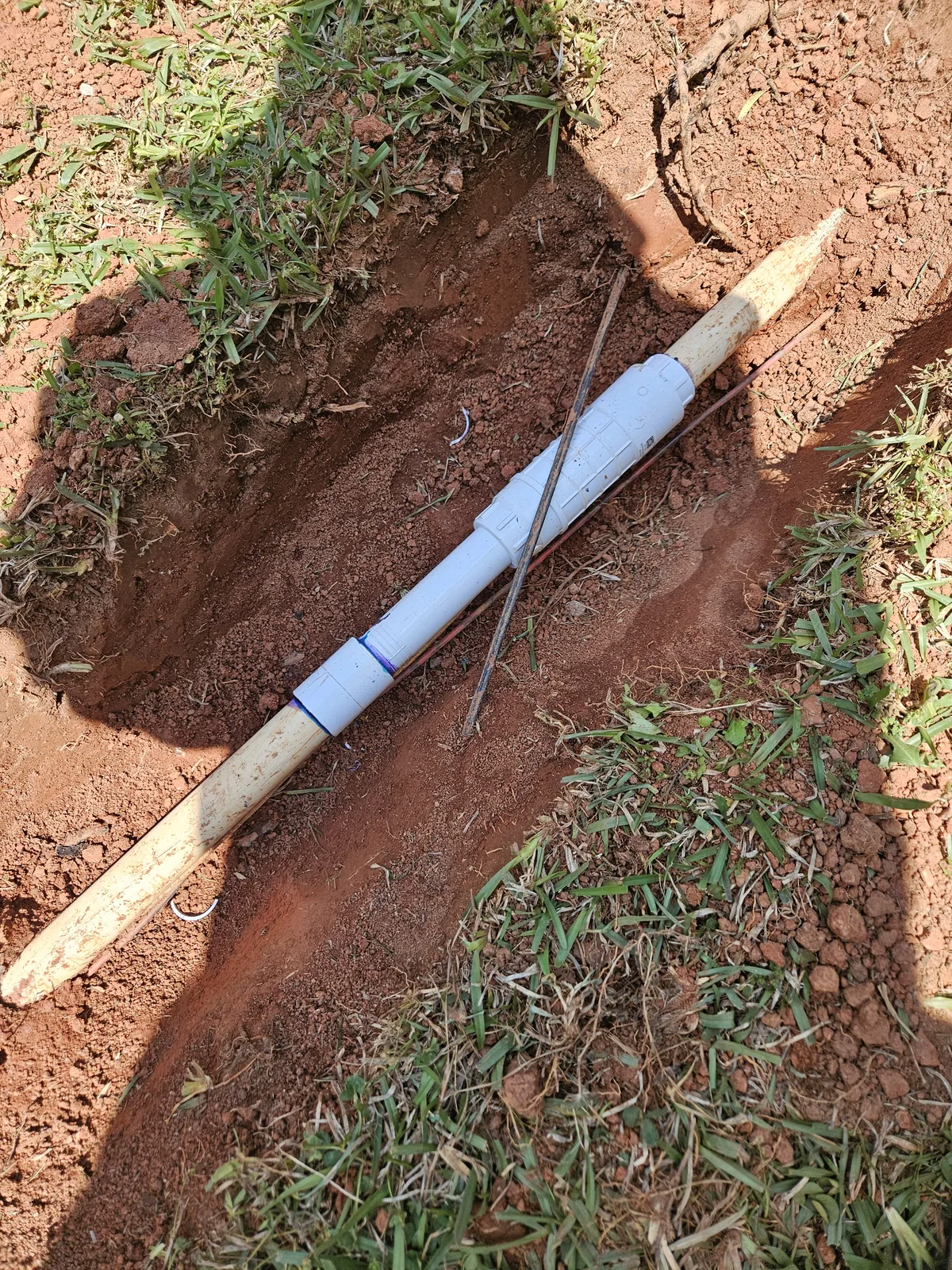
  • French drain installation
  • Channel drain installation
  • Rip-rap erosion control
  • Downspout drainage extensions
  • Swale construction
  • Coordination with retaining wall if needed
The Process

How Grading and Drainage Work

01

Property Walk + Drainage Assessment

We walk the property during or right after rain when possible. We identify where water enters, where it pools, what the grade is doing, and whether the problem is surface or subsurface.

02

Written Plan + Estimate

You get a written scope: regrading, French drain, channel drain, rip-rap, or a combination. We explain why each element is recommended before you commit to anything.

03

Grading and Installation

The crew executes the drainage plan. Regrading is done first to establish correct slope, then any pipe or channel work follows. We verify flow direction before backfilling.

04

Inspection + Sign-Off

We walk the finished work with you and show you where water will now flow. If rain occurs shortly after, we follow up to confirm the solution is performing as planned.

Seasonal Timing

Best Time of Year for Grading and Drainage in Georgia

Drainage problems show up in the wet months and are fixed best in the dry ones. Here is how the year shapes the work.

Problems show

Spring

March to May

Spring rain reveals every soggy spot and pooling area. A good time to diagnose, though saturated ground slows the dig.

Prime to dig

Summer

June to August

Drier soil is ideal for regrading, trenching french drains, and reshaping the yard cleanly.

Get ahead of winter

Fall

September to November

The smart window to fix drainage before the heavy winter rains arrive.

Peak demand

Winter

December to February

Georgia's wet season puts standing water and erosion at their worst, so this is when most people call. We work the dry, mild windows.

Project Photos

Grading and Drainage Work in Newton County

Transparent Pricing

What Affects the Cost of Drainage Work

A simple regrading job around a foundation is a fraction of the cost of a full French drain system across a large sloped property. The variables below explain the range. Newton County's clay soil means most drainage jobs require more prep work than properties in other parts of Georgia.

We do not quote drainage over the phone. The site has to be seen to be understood. Call to schedule a walk-through and written estimate.

Call for a Free Estimate
Area Size

A foundation perimeter regrading job is a day's work. A full property drainage system with multiple catch points and a daylight outlet is a multi-day project.

Solution Type

Regrading alone is the least expensive. Adding a French drain with perforated pipe and gravel increases cost. Channel drains in hardscape and rip-rap slope protection are priced separately.

Soil Conditions

Newton County clay requires more work to establish drainage than looser soils. Heavy clay that has been compacted by construction equipment adds excavation time.

Equipment Access

Jobs where heavy equipment cannot get close to the work area require more manual labor, which increases cost and time. Tight side yards and fenced properties add to the scope.

Why Liba

Why Homeowners Trust Liba With Drainage

Stops Pooling, Protects Foundations

Water moved away from the house and kept there.

French Drains and Regrading

The right fix matched to your slope and soil.

We Read the Water First

We map where it actually goes before we dig.

Honest Scope, Written Quote

You see the plan and the price before we start.

Questions

Grading and Drainage FAQ

How do I know if I have a drainage problem?

The most obvious signs are standing water after rain that takes more than 24 hours to disappear, muddy patches in the yard that stay soft long after dry weather, water stains on the foundation or basement walls, and soil eroding off slopes after every hard rain. Inside the house, musty smells in a crawl space or basement can mean water is consistently getting under the structure. If water collects within a few feet of your foundation, that is a drainage problem that will get worse over time. Call us for an assessment before it turns into a structural issue.

What is rip-rap and when do you use it?

Rip-rap is large, angular stone placed on slopes or along drainage channels to slow and redirect water flow and prevent soil from washing away. It works by absorbing and dispersing the energy of moving water rather than blocking it entirely, so water passes through the stone while the soil underneath stays in place. We use rip-rap on steep slopes that are actively eroding, at the base of downspouts that are washing out the ground below them, along drainage swales that would otherwise cut deeper over time, and anywhere a hard surface like concrete or asphalt is directing concentrated water onto a slope or lawn area.

Does regrading affect my neighbor's property?

Regrading redirects water flow, so any significant grade change needs to account for where that water ultimately goes. We assess the drainage pattern across the full property and the adjacent grade before recommending a solution. The goal is to move water away from your structures and off your property through established drainage routes, not to push a water problem onto your neighbor's lot. In Georgia, redirecting stormwater runoff onto an adjacent property in a way that causes damage is a legal liability. We build solutions that work with the natural drainage pattern of the land.

Can you fix water pooling near my foundation?

Yes, and this is one of the most common calls we get. Water pooling within a few feet of the foundation is typically a grading problem: the ground has settled or was never properly sloped away from the house. The fix usually involves regrading the immediate area to establish positive drainage away from the structure, combined with extended downspout drains to move roof runoff away from the foundation. In some cases a short French drain section is needed to capture groundwater before it reaches the house. We assess each situation and quote the minimum work needed to actually solve the problem.

How much does drainage work cost in Georgia?

Cost depends entirely on what the property needs. A downspout extension and minor regrading around a foundation is a very different scope than a full French drain system across a large lot or a rip-rap erosion control installation on a slope. We give free written estimates after a site walk. No guessing over the phone. Call (470) 226-7215 or use the estimate form on this page to get started.

Can you fix drainage problems in winter when it is wet?

Yes, and winter is when most people call because the standing water is obvious. We work in dry, mild windows since saturated ground is harder to grade, and we can diagnose the water's path any time of year.

Free Estimate

Stop Watching Water Damage Your Property

Free, no-obligation estimate on every project. Residential, commercial, and government drainage work across Newton County and Metro Atlanta.

Call (470) 226-7215
Call Now Get a Free Quote