Done Clean
Land Clearing Done Right from the Start
An overgrown parcel, trees and brush blocking a build, stumps and roots that have to go before you can grade or install anything. Land clearing looks straightforward until you see what the wrong equipment on soft Georgia soil leaves behind. Rutted ground, compacted soil that will not drain or grow grass, debris pushed into piles and left rather than hauled. A sloppy clearing job creates more work for whatever comes after it.
Georgia's clay soil compacts under heavy equipment. Running the wrong machine on soft ground after a rain leaves deep ruts that take real grading work to fix. Getting a large tree out without damaging what is around it requires planning the fall before the cut. Stump removal that only grinds to a few inches leaves roots underground that can cause problems for any structure or hardscape installed over them.
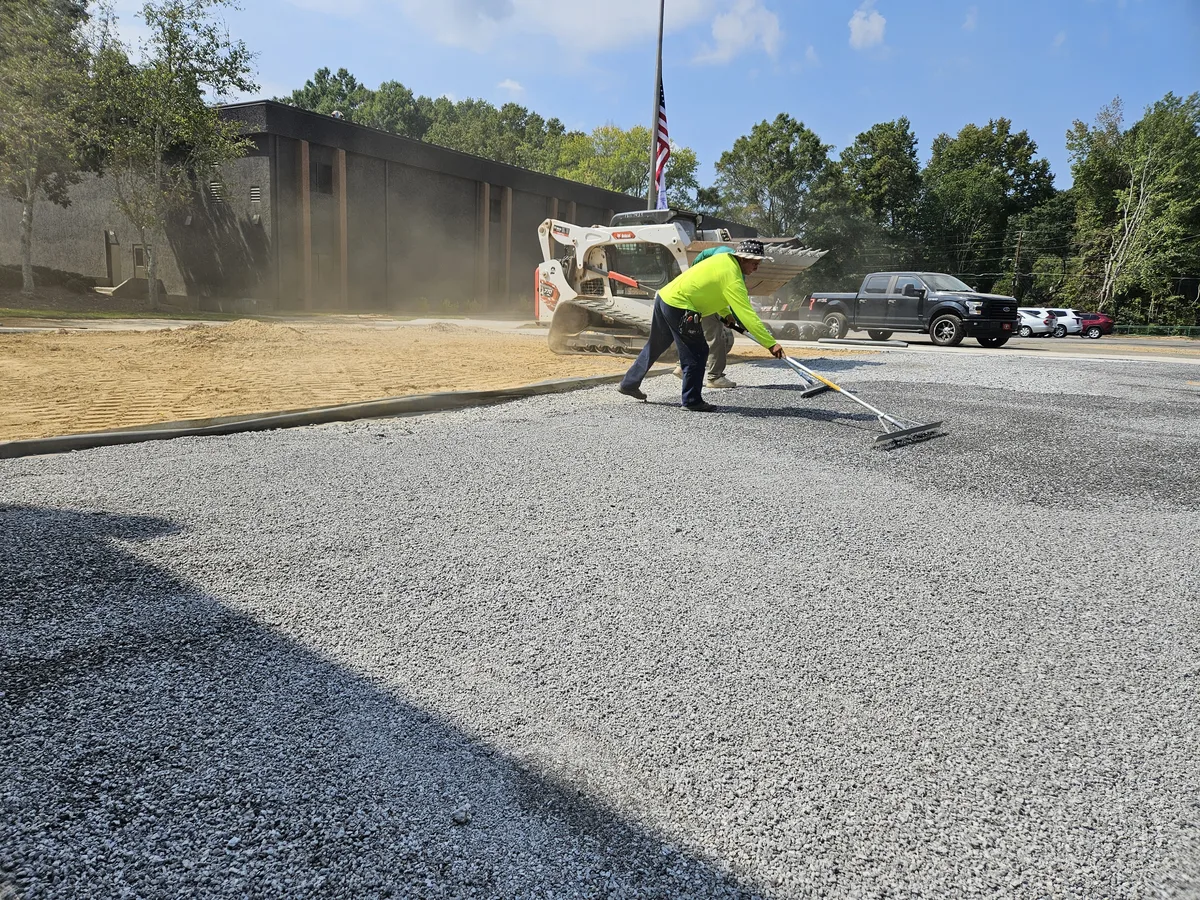
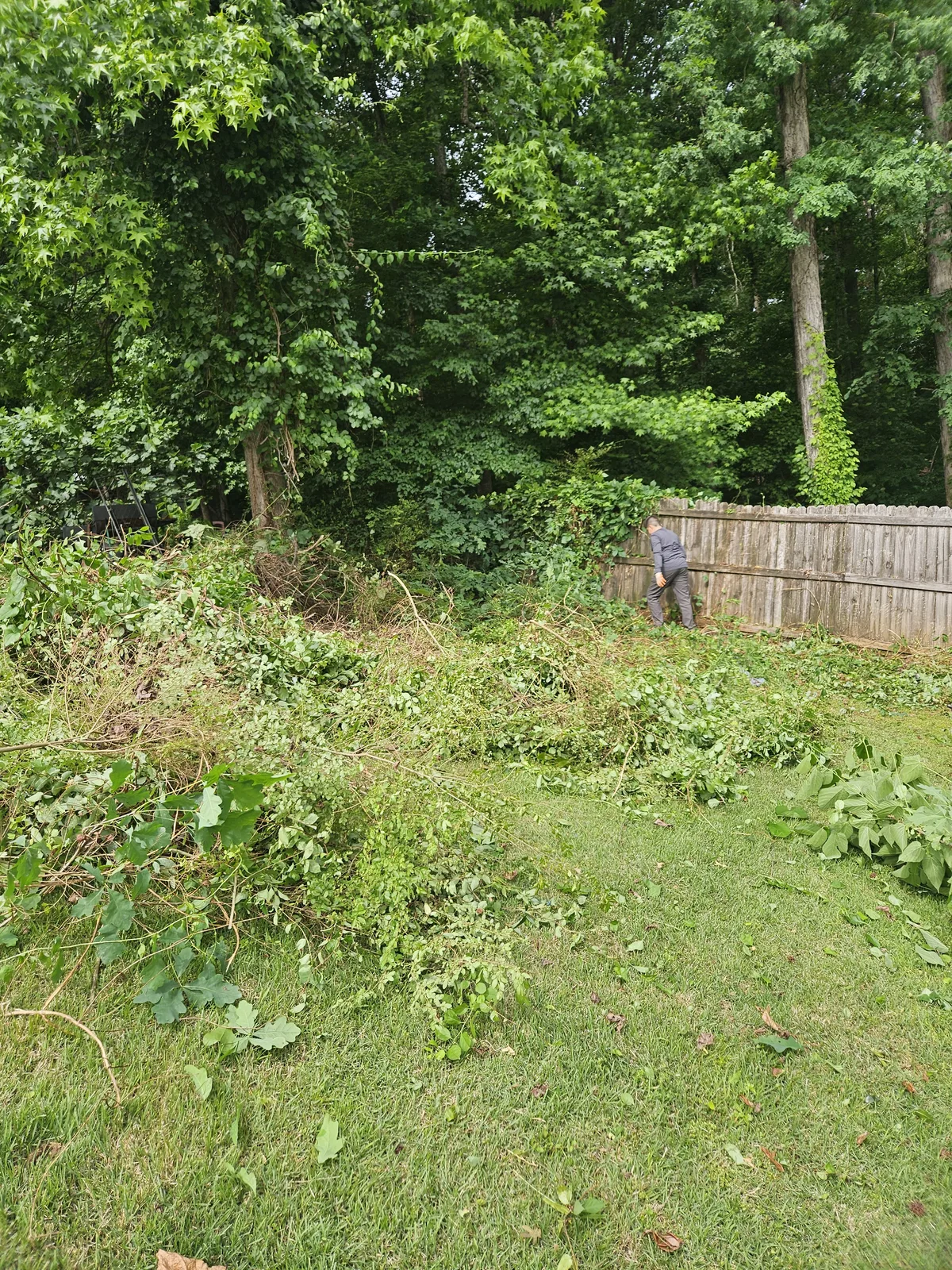
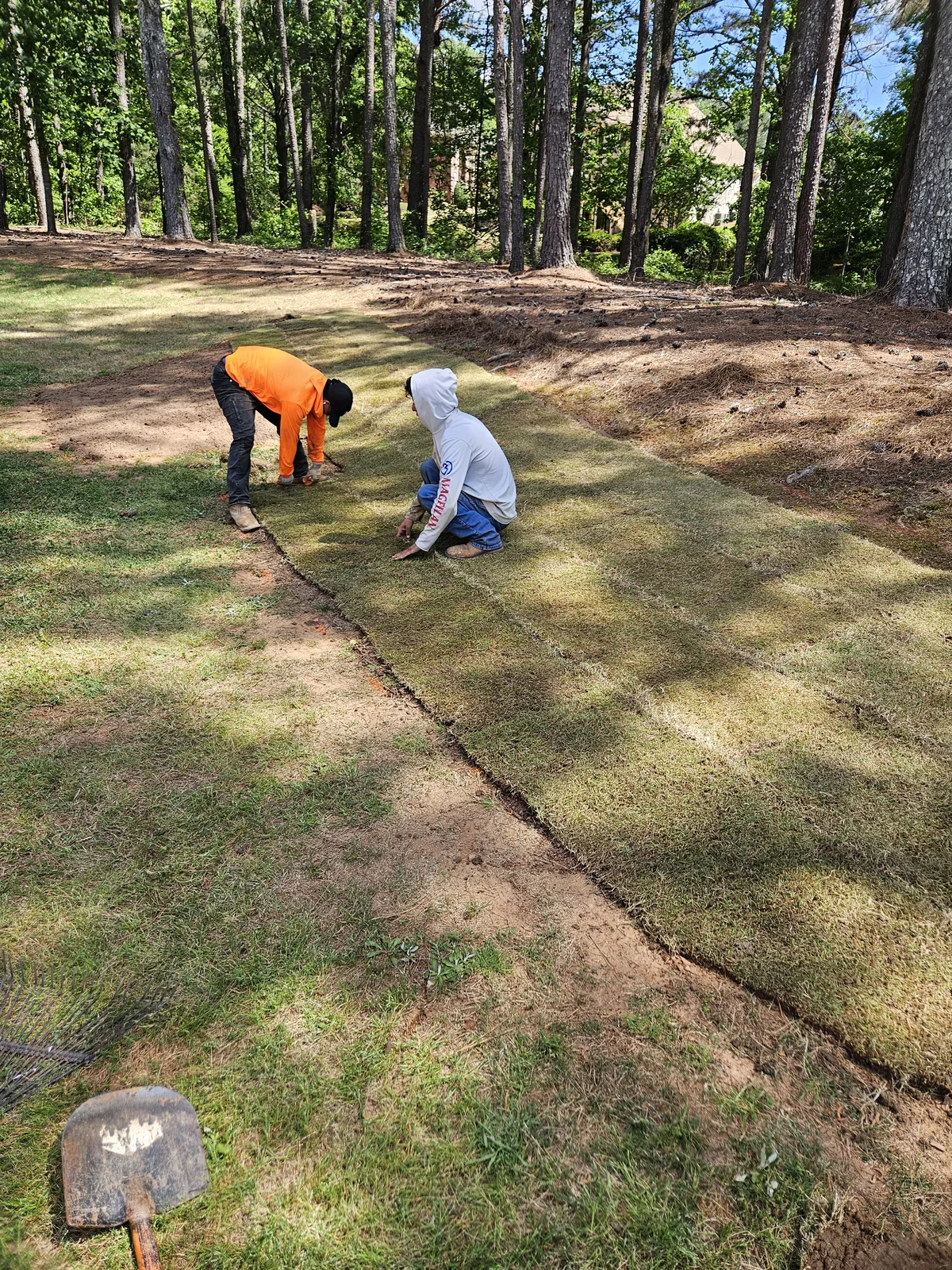
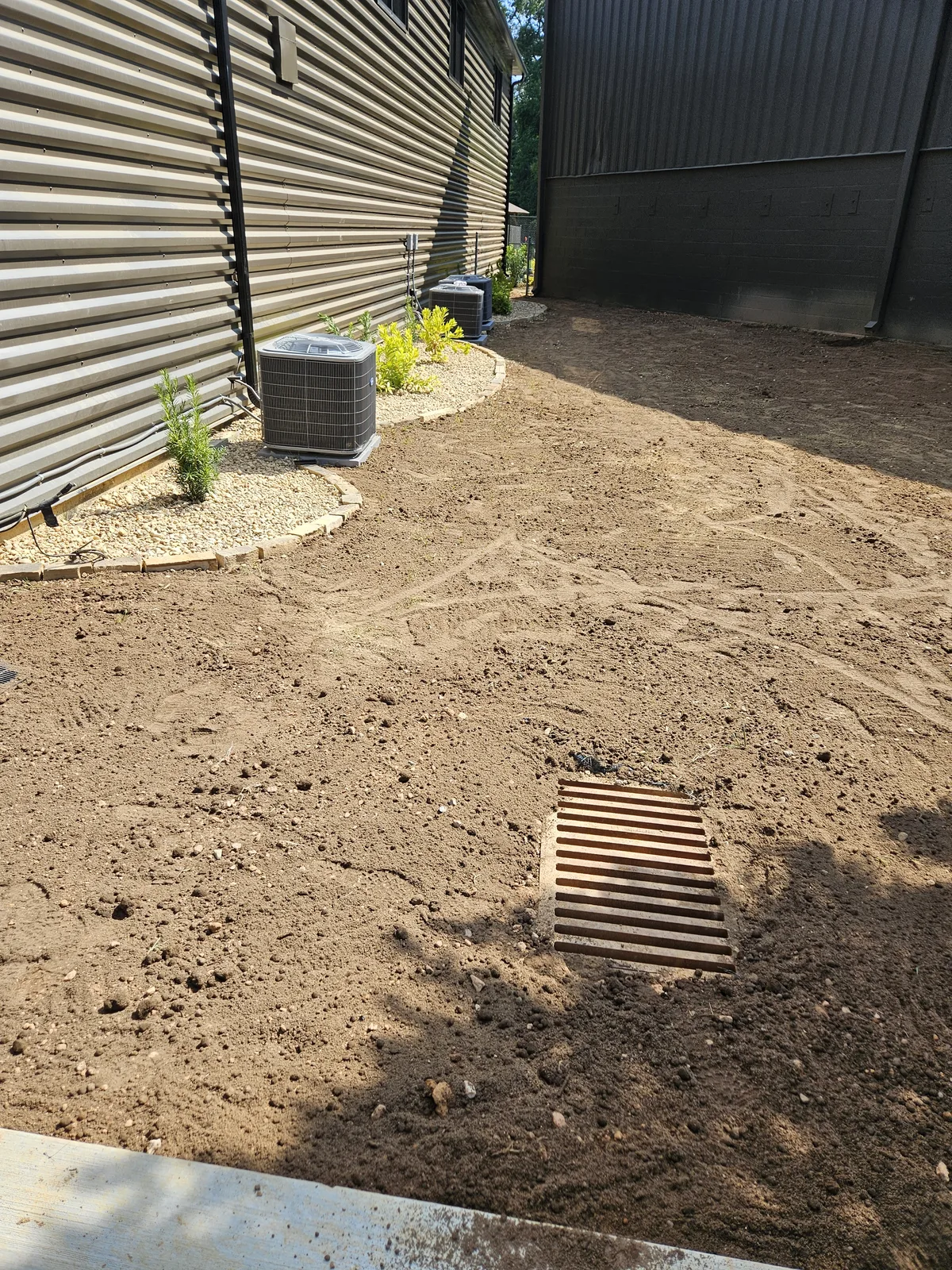
Liba uses equipment matched to the lot size and soil conditions. For residential lots and fence-line clearing, we work with smaller equipment that does not tear up the ground around what we are clearing. For larger parcels and commercial sites, we have the capacity to move volume quickly while keeping the site organized. Everything removed gets hauled off. We do not leave brush piles or debris on site. When we are done, the property is graded and ready for construction, landscaping, or whatever the customer has planned.
We handle residential lots, larger acreage parcels, fence-line and right-of-way clearing, and commercial site prep. GDOT certification qualifies us for government and public works clearing projects as well. Every job gets a written estimate that covers scope, timeline, and what we are hauling away.
Georgia's warm, humid climate means brush and undergrowth grow back fast. Kudzu, Chinese privet, and Japanese honeysuckle are aggressive invasive species across Newton County that can re-establish a cleared area within one growing season if root systems are not properly addressed. A clearing job that looks complete in March can be chest-high brush again by October. We remove and haul debris rather than mulching invasives in place, which reduces the chance of regrowth from material left on-site.